










Decaf Coffee Guide: Benefits, Caffeine & How It's Made
Made for when you want your favourite drink without the caffeine kick, we're big fans of decaf coffee. But what is it and how's it made?
What Is Decaf Coffee?
Decaffeinated coffee is simply coffee that has had most of its caffeine removed. It’s made from the same coffee beans as regular coffee, tastes very similar, and can be brewed in all of the same ways. The key difference? It contains much less caffeine.
A common misconception is that decaf coffee contains no caffeine at all. In reality, “decaffeinate” means that the vast majority of caffeine has been removed, but a small amount still remains. Regulations in many countries require that at least 97% of the caffeine be removed in order to label coffee “decaf”.
The decaffeination process happens before the beans are roasted. Green (unroasted) coffee beans are treated in a way that extracts caffeine while trying to preserve the flavour compounds that give coffee its distinctive taste.
Decaf is popular because it allows coffee lovers to enjoy the flavour and ritual of their favourite drink without the stimulating effects of caffeine. Whether it’s for better sleep, reduced anxiety, pregnancy, or simply personal preference, decaf offers flexibility without giving up the coffee experience.
How Is Decaf Coffee Made?
Decaf coffee is made by removing most of the caffeine from coffee beans while keeping as much of their natural flavours as possible. There are three main methods used to decaffeinate coffee:
The Swiss Water Process
The Swiss Water Process uses only water to remove caffeine, with no added chemicals. The beans are soaked in hot water to dissolve caffeine and flavour compounds. The water then passes through a special carbon filter that traps caffeine molecules while allowing flavour compounds to remain.
The CO2 Process
The CO2 process uses pressurised carbon dioxide to extract caffeine. In this method, green coffee beans are placed in a sealed chamber and exposed to liquid CO2 under high pressure. The CO2 selectively binds to caffeine molecules and removes them. This method is highly efficient and often used for large-scale commercial decaffeination.
The Direct Contact or Solvent Method
During the direct contact process, green coffee beans are steamed to open their “pores”. Once the beans are softened, a safe solvent such as ethyl acetate is added. Caffeine molecules then bond with the solvent, leaving the bulk of the other flavour compounds intact. Once the caffeine has been removed, the beans are washed, steamed and roasted at over 400°F to evaporate all liquids used in this process.
While the phrase “chemical solvent” can sound concerning, these solvents are carefully regulated. The beans are thoroughly steamed and roasted afterward, which further removes any traces of the chemical.
The Sugar Cane Method
The sugar cane process originated in Colombia and works by immersing coffee beans in a by-product of sugar cane (natural ethyl acetate) and water until the caffeine is extracted. This avoids the need for synthetic chemicals or the excessive temperatures seen in other decaffeination processes, which can radically disrupt a green bean's cellular structure and alter its flavour.
This is how Grind decaffeinates our coffee beans. This process is natural, planet-friendly and waste-free: the extracted caffeine can be sold to energy drink companies.
All decaffeination methods used commercially must meet strict food safety standards, so they’re all safe and regulated.
Why Do People Drink Decaf Coffee?
People choose decaf for many different reasons, including health, lifestyle, and personal comfort. For some, caffeine can cause anxiety or jitters, digestive discomfort, or trouble sleeping. Switching to decaf allows them to enjoy coffee without these side effects.
Others choose decaf for medical or health-related reasons. Pregnant women are often advised to limit caffeine intake. People with high blood pressure or certain heart conditions may also reduce caffeine as part of their healthcare plan.
And for many, it’s simply about timing. Some people love the taste of coffee in the evening but don’t want it to interfere with sleep. Decaf offers the best of both worlds.
How Many Calories in Decaf Coffee?
Plain decaf coffee contains very few calories—typically around 2-5 calories per cup, just like regular black coffee.
Calories will vary depending on what you add to your coffee, like milk, sugar, and flavoured syrups. If you’re drinking decaf for health reasons, it’s often the extras, not the coffee itself, that make the biggest difference.
How Much Caffeine Is in Decaf Coffee?
Decaf coffee is not completely caffeine-free: an average cup of decaf contains about 2 to 15 milligrams of caffeine. For comparison, a regular cup of coffee typically contains 70 to 140 milligrams of caffeine. That means decaf usually has about 90–97% less caffeine than regular coffee.
For most people, this small amount isn’t enough to cause noticeable stimulation, but those who are extremely sensitive to caffeine may still feel mild effects.
Best Way to Brew Decaf Coffee
You can brew decaf just like regular coffee. Here are some of our favourite brewing methods:
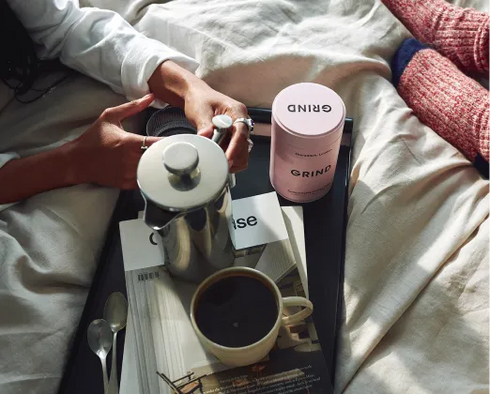
Cafetière - Produces full-bodied, rich brews. Great for medium to dark roasts.
V60 - Offers a clean, balanced flavour and allows control over brewing time.
Pod Machine - Quick and easy, while still rich in flavour.
Cold Brew - Makes a seriously smooth brew, preserving all the natural flavours of your coffee.
Using high-quality coffee and filtered water will always significantly improve the flavour of your brew.
Decaf Coffee Benefits
Decaf coffee still offers many of the benefits of regular coffee, just with less caffeine. You can read more about if decaf coffee is good for you on our blog.
Easier on the Stomach
Some people find that caffeine increases stomach acid or causes digestive discomfort. Decaf may be gentler for those who experience heartburn or acid sensitivity.
Helps Reduce Caffeine-Related Anxiety
Caffeine can affect people in different ways. While some may feel energetic or focussed, caffeine may make others feel restless, jittery, or anxious. Decaf provides the familiar taste of coffee without the same stimulating effect.
Supports Better Sleep
Because it contains very little caffeine, decaf is far less likely to interfere with sleep, especially when consumed in the afternoon or evening.
Still Packed with Antioxidants
Coffee, including decaf, contains antioxidants such as polyphenols. These compounds help fight oxidative stress in the body and are linked to overall health benefits.
Shop Decaf Coffee at Grind
We love decaf coffee because it offers a solution for people who love coffee but want to reduce their caffeine intake.
It’s why we take care to naturally extract the caffeine from the speciality-grade coffee beans we source from sustainable farms to produce decaf blends that taste just as delicious as our regular blends. Because, just like regular coffee, quality matters if you want a good brew.
Shop Nespresso® Compatible Compostable Decaf Coffee Pods






Comments