











Iced Spanish Latte Recipe
Very continental, very cultural. If you close your eyes you're basically in Barcelona.
How to Make an Iced Spanish Latte
If you've spiced up your iced coffee order over the last couple of years, you're not alone. The Iced Spanish Latte has gone from a niche café menu item to one of the most searched cold coffee drinks around. And once you've tried one, it's easy to see why.
This guide covers everything you need to know: what an Iced Spanish Latte is, which ingredients you'll need, a straightforward step-by-step method, the full flavour profile, and a calorie breakdown.
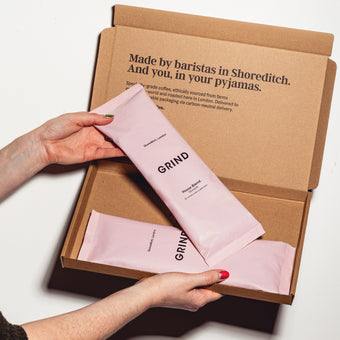
We'll also show you how Grind's coffee makes the whole process considerably easier (and the result considerably better) without needing a full coffee station setup at home.
Consider this your barista-level guide, made for real kitchens and real people who just want a really good iced coffee.
What Is an Iced Spanish Latte?
An Iced Spanish Latte is a cold coffee drink made with espresso, sweetened condensed milk, and your choice of milk, served over ice. What sets it apart from a regular iced latte is the condensed milk. This adds a rich, creamy sweetness that's deeper and more interesting than a simple syrup ever manages.
It originated in Spain, where café con leche culture runs deep, and it's been slowly winning over cold coffee drinkers ever since. Think: bold espresso, silky condensed milk, cold milk, and ice. Simple ingredients. Seriously good results.
Iced Spanish Latte Ingredients
The good news: you don't need much. The even better news: what you do need is straightforward to find, and even more straightforward to put together.
Espresso
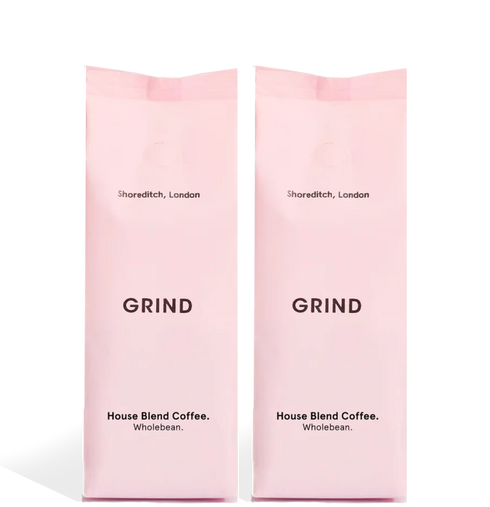
An essential, obviously. You'll need a double shot (around 60ml) of good quality espresso. This is where Grind coffee earns its place. Speciality-grade coffee makes a noticeable difference here, and the concentrated flavour of a proper espresso holds its own against the condensed milk and ice in a way that weaker coffee simply won't.
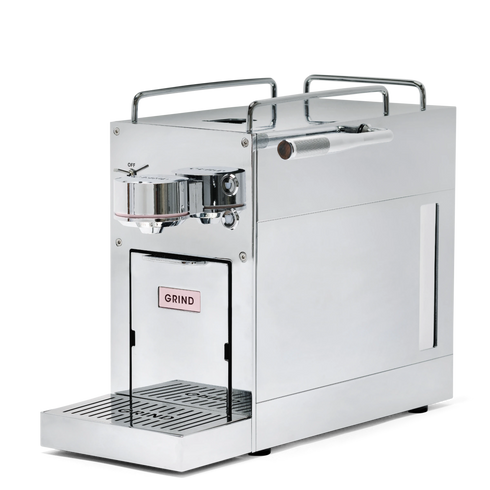
You can use a cafetière, V60, espresso machine, or Grind's coffee pods with a compatible pod machine.
Sweetened Condensed Milk
This is the ingredient that makes an iced Spanish latte so addictive. It's thick, deeply sweet, and adds a caramel-like richness that regular milk or syrups can't replicate. You'll need around 2–3 tablespoons, depending on how sweet you like it—but more on that shortly.
Milk
Whole milk is the traditional choice and gives the creamiest result. That said, oat milk works brilliantly as a plant-based alternative: it's naturally sweet and has a smooth, full body that complements the espresso well. Almond and soy milk both work too, though the flavour profile will be slightly lighter.
Ice
Plenty of it. Don't be shy. A generous amount of ice keeps the drink properly cold and gives you that satisfying café-style finish. If you want to avoid any dilution, coffee ice cubes, made by freezing leftover espresso, are a great swap.
Optional Extras
If you prefer a more natural sweetness, a drizzle of honey or maple syrup works well in place of, or alongside, the condensed milk. Or try a pinch of cinnamon or a small pour of vanilla syrup if you want to personalise the flavour.
Iced Spanish Latte Recipe
This is simpler than it sounds. Even if you've never made iced coffee at home before, this method is about as straightforward as it gets. And the result is genuinely café-quality. Here's how to make a Spanish Iced Latte at home.
You'll need:
• 60ml espresso (double shot)
• 2-3 tbsp sweetened condensed milk
• 150 milk of your choice
• Ice
• A tall glass and stirrer
Step 1: Brew Your Espresso
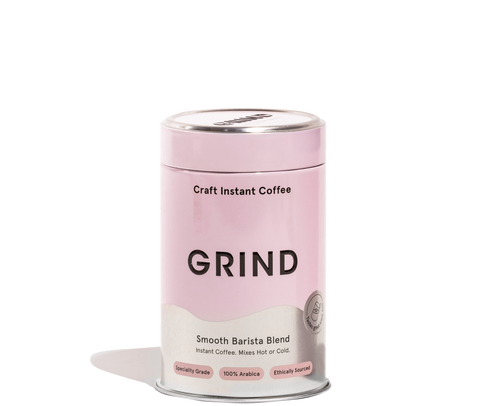
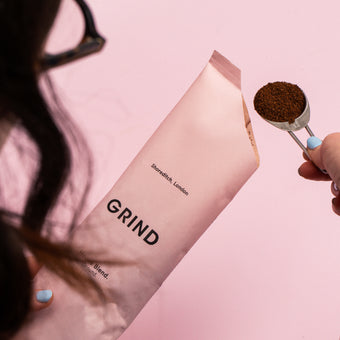
Brew a double shot of espresso. You can do this using two Grind coffee pods in your pod machine, 18g of ground coffee, or 2 teaspoons of instant coffee. You're aiming for around 60ml.
Once brewed, set it aside and allow it to cool for 2-3 minutes. Pouring hot espresso directly over ice will melt it too quickly and dilute the drink before you've even had a sip. Patience pays off.
Step 2: Add the Condensed Milk and Ice
Fill your glass generously with ice, right to the top. Spoon in 2–3 tablespoons of sweetened condensed milk directly over the ice. You'll see it start to sink and swirl, which, aside from being extremely satisfying, is a good sign.
If you're using a milk alternative, here's how each one plays:
Oat milk: creamy, naturally sweet, works brilliantly. This is our top plant-based recommendation.
Almond milk: lighter body, slightly nutty, works well if you prefer a less rich finish.
Soy milk: smooth and neutral, a solid all-rounder.
Whole milk: the traditional choice. Rich, creamy, classic.
Step 3: Assemble and Serve
Pour your cooled espresso over the ice and condensed milk, then top with 150ml of your chosen milk. Give it a gentle stir for about 10–15 seconds. You want everything combined, but a little swirl of condensed milk running through the drink is part of the experience, so don't over-mix.
Taste, then adjust. Want it sweeter? Add a little more condensed milk or a small pour of vanilla syrup. Want a little warmth? A light dusting of cinnamon on top finishes the drink beautifully and adds a subtle spice that plays brilliantly against the cold, creamy coffee.
Serve immediately. Total time from start to finish: around 5 minutes.
How Many Calories Are in an Iced Spanish Latte?
A standard drink made with whole milk and 2 tablespoons of condensed milk comes in at roughly 180–220 calories per serving. Here's approximately where those calories come from:
Condensed milk (2 tbsp): ~120 calories — this is where the majority sits, thanks to the sugar and fat content
Whole milk (150ml): ~95 calories
Espresso (double shot): ~5 calories
Lower calorie swaps:
• Swap whole milk for oat or almond milk to save around 30–50 calories.
• Reduce condensed milk to 1 tablespoon and add a small drizzle of honey or maple syrup for sweetness with less sugar density.
• Use a lighter condensed milk alternative if available.
This is still a considerably lighter option than many café iced drinks, which can tip well over 300 calories once syrups and full-fat milk are factored in.
What Does an Iced Spanish Latte Taste Like?
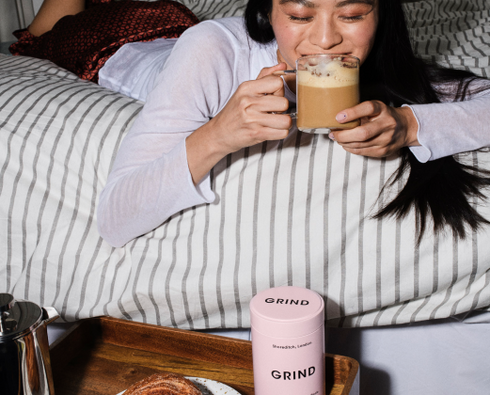
Rich, creamy, and super satisfying. But with enough espresso backbone to remind you it's still very much a coffee drink. The condensed milk adds a caramel-like sweetness that's warmer and more complex than a regular sugar syrup, and the cold milk smooths everything out into something that feels indulgent without being overwhelming.
It's sweeter than a standard iced latte, but not in a cloying way. The bitterness of a good quality espresso (which is exactly why Grind's speciality coffee beans matter here) keeps it balanced and stops it tipping into dessert territory.
As for why iced coffee drinkers have become so interested in richer, creamier cold coffee drinks, there's a growing appetite for coffee that actually tastes of something. Drinks with depth, character, and a flavour profile worth thinking about. This drink delivers all of that, without requiring a barista qualification or a very expensive machine.
Ready to Make Your Own Iced Spanish Latte?
The Spanish iced latte is one of those drinks that sounds more complicated than it is, but it's just bold espresso, sweetened condensed milk, cold milk, and ice, done in around five minutes.
Grind's speciality coffee does the heavy lifting in this drink. Shop our coffee pods, whole bean and ground coffee, and instant coffee now.
Need some brewing tools? Shop barista quality coffee accessories.
Frequently Asked Questions
Is an Iced Spanish Latte sweet?
Yes, noticeably sweeter than a standard iced latte, thanks to the condensed milk. That said, the sweetness is balanced by the strength of the espresso, so it doesn't feel sugary so much as rich and indulgent. You can dial the sweetness up or down by adjusting the amount of condensed milk.
What is the difference between a normal iced latte and a Spanish iced latte?
A regular iced latte is espresso and cold milk over ice, clean, simple, relatively neutral in sweetness. An iced Spanish latte swaps out plain milk for a combination of milk and sweetened condensed milk, which adds a depth of sweetness and creaminess that takes it into different territory entirely. Same foundations, very different result.
Is an iced Spanish latte stronger than a normal iced latte?
Not necessarily stronger in terms of caffeine, both typically use a double shot of espresso. However, the flavour of the espresso is more prominent in an iced Spanish latte because the condensed milk amplifies rather than masks it. Using a quality speciality espresso, like Grind's coffee beans, makes this difference even more noticeable.
Is an iced Spanish latte sweet or bitter?
Both, in the best possible way. The condensed milk brings genuine sweetness; the espresso brings bitterness. The balance between the two is what makes the drink so interesting, and getting that balance right is mostly a case of adjusting the condensed milk to your own taste. Start with two tablespoons and go from there. Enjoy!






Comments